
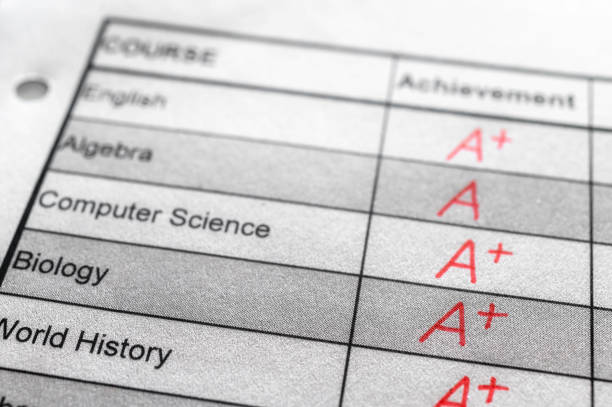
The First Report Card Is Coming: What Parents Should Really Be Looking For
We’re now far enough into the school year that the first report cards and parent-teacher conferences are right around the corner. This is a great time for parents to get a real sense of how their child is doing—not just by looking at the final grade, but by understanding what is happening behind that grade.
A report card is important, but it only tells part of the story. Parent-teacher conferences give you the opportunity to fill in the rest.
Look Beyond the Letter Grade
Of course, grades matter. But an A, B, or C doesn’t necessarily tell you why your child earned that grade.
Take a closer look at the individual grades that make up the average. Are test and quiz scores consistent with homework grades? Are missing assignments bringing the grade down? Is your child doing well overall but struggling in one particular area?
One low grade isn’t necessarily a concern. A pattern is what you want to pay attention to.
Pay Special Attention to Tests and Quizzes
Homework is often completed with access to notes, textbooks, parents, classmates, or other resources. Tests and quizzes usually show what a student can do independently.
If homework grades are consistently high but test and quiz grades are much lower, that’s something worth discussing with the teacher.
Don’t Overlook Work Habits
Academic success isn’t only about understanding the material.
Organization, time management, completing assignments on time, following directions, studying effectively, and asking for help are all skills students need to develop as they move through school.
A student may understand the material perfectly well but still struggle academically because of poor study or organizational habits.
Make the Most of Parent-Teacher Conferences
Instead of simply asking, “How is my child doing?”, use the conference to learn things that may not show up on the report card.
Here are a few questions worth asking:
-
Is my child working at the level you would expect at this point in the year?
-
What are my child’s strongest and weakest academic areas?
-
How does my child perform on tests compared with daily assignments?
-
Is my child working independently?
-
Does my child participate and ask questions when they don’t understand something?
-
Are organization, focus, or time management affecting their performance?
-
Is there anything you’re noticing now that could become a bigger issue later in the year?
-
What is one thing we should be working on at home?
Ask Your Child, Too
Your child’s perspective matters.
Ask them what class feels easiest right now and which feels the hardest. Ask whether there’s anything they’re confused about, whether they feel prepared when they take tests, and whether they’re comfortable asking their teachers for help.
Sometimes students will tell you something that isn’t obvious from looking at their grades.
Use This First Grading Period as a Check-In
The first report card shouldn’t just be viewed as a final result. Think of it as a check-in for the rest of the school year.
If everything is going well, that’s great—keep doing what’s working. If you notice a concern, whether it’s academic, organizational, or related to study habits, addressing it now gives your child plenty of time to make adjustments before the material becomes more challenging.
The goal isn’t perfection. It’s making sure students are learning, progressing, and developing the skills they need to become increasingly confident and independent throughout the school year.
How JC Academy Can Help
If your child’s first report card or parent-teacher conference brings up an area that needs attention, JC Academy Miami is here to help. Our tutors provide individualized support in specific subjects, strengthen study and organizational skills, prepare students for upcoming tests, and help build confidence and independence.
Not sure what kind of support your child needs? Reach out to us with your child’s grade level and the areas of concern. We’ll help you determine the best next step and match your child with the right tutor.
No responses yet